Ecommerce digital marketing is how online brands attract shoppers, convert demand, and scale revenue. In 2026, competition is higher, margins are tighter, and growth depends on execution—not just traffic.
Online commerce continues to expand, mobile shopping dominates buyer behavior, and AI-driven search reshapes how people discover products. Brands that rely on a single channel or tactic often hit a growth ceiling.
In this guide, you’ll learn what ecommerce digital marketing is, why it matters now, how the core components work together (with tangible results from a recent case study), and what separates high-performing ecommerce marketing agencies from the rest.
What Is Ecommerce Digital Marketing?
Ecommerce digital marketing is the system used to drive sales online through search, paid media, social media platforms, lifecycle messaging, and conversion rate optimization.
Unlike general digital marketing, ecommerce marketing must do two things at once:
- Capture demand through visibility and traffic
- Convert that demand efficiently on product and category pages
Brands evaluating ecommerce marketing services are usually looking for a partner that can unify:
- Ecommerce SEO (search engine optimization)
- Paid media, Shopping ads, and Product Listing Ads (PLAs)
- Conversion rate optimization (CRO)
- Analytics and measurement
Many companies compare ecommerce marketing agencies, a full-service ecommerce agency, or other ecommerce marketing companies based on how well these components connect into a single revenue system.
Why Ecommerce Digital Marketing Matters Today
Ecommerce growth hasn’t slowed, but the rules have changed heading into 2026.
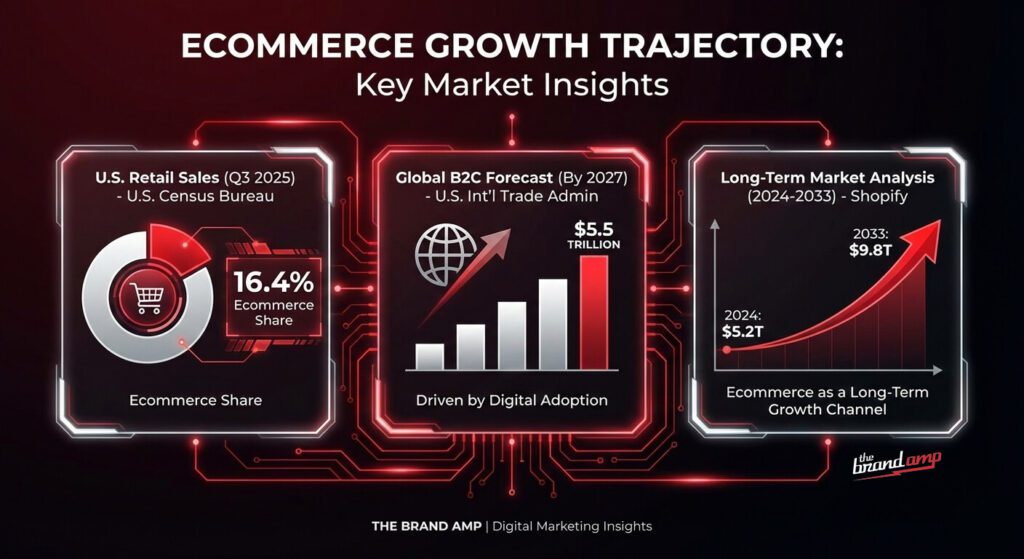
According to the U.S. Census Bureau’s Quarterly Retail E-Commerce Sales report, ecommerce accounted for 16.4% of total U.S. retail sales in Q3 2025, confirming that online commerce continues to take share from brick-and-mortar retail.
On a global level, the U.S. International Trade Administration’s ecommerce sales forecast projects that global B2C ecommerce revenue will reach $5.5 trillion by 2027, driven by continued digital adoption across developed and emerging markets.
Looking further ahead, Shopify’s global ecommerce market analysis estimates the market at $5.2 trillion in 2024 and projects growth to $9.8 trillion by 2033, reinforcing that ecommerce remains a long-term growth channel rather than a short-term spike.
What this means for brands in 2026:
- More revenue is moving online
- Buyer expectations continue to rise
- Competition is intensifying across every channel
The brands that win do not rely on isolated tactics. They operate a connected system across ecommerce SEO, top-funnel awareness, powerful paid media, conversion rate optimization, lifecycle messaging, and consistent measurement.
How Ecommerce Digital Marketing Works
Ecommerce SEO and Generative Optimization
Ecommerce SEO improves visibility across category pages, product pages, and supporting content that influences buying decisions. Strong ecommerce SEO also supports AI-driven search by using clear structure, internal linking, product schema, and FAQs.
Brands that work with a strong ecommerce SEO agency typically move faster by resolving technical issues, strengthening category architecture, and closing content gaps that limit organic growth.
PPC, Shopping Ads, and Product Listing Ads (PLAs)
Paid media captures demand that already exists. For ecommerce brands, this typically includes:
- Google Search for high-intent queries
- Product Listing Ads (PLAs) and Google Shopping campaigns driven by optimized product feeds
- Performance Max for blended Shopping and remarketing coverage
- Paid social for discovery and retargeting
- Video for mid-funnel education
A focused ecommerce PPC agency manages PLAs, Shopping structure, feed health, bidding logic, and creative testing together, rather than treating paid search and paid social as disconnected efforts.
Social Ads and Creator Content
Paid social remains a powerful growth lever when paired with strong creative. Creator and UGC-style ads often outperform polished brand assets because they build trust quickly and align with native platform behavior.
Email, SMS, and Lifecycle Messaging
Email campaigns and SMS (short message services) convert high-intent users at key moments:
- Welcome sequences
- Browse and cart abandonment
- Post-purchase cross-sell
- Win-back campaigns
Lifecycle messaging frequently drives a disproportionate share of profit because it targets users who already know the brand.
Conversion Rate Optimization (CRO)
Conversion rate optimization turns traffic into revenue. High-impact levers include:
- Faster page speed
- Clear product benefits and proof
- Strong offer clarity and trust signals
- Fewer checkout steps
- Mobile-first UX decisions
Analytics and Measurement
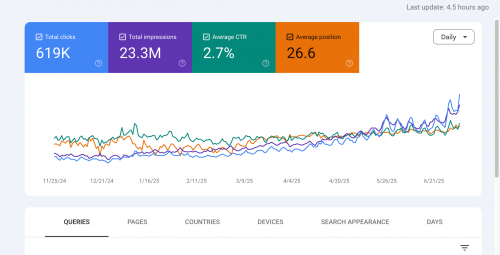
Measurement determines what scales. Unified analytics allow brands to understand which channels drive revenue and which only look good on surface metrics.
Best Practices for Ecommerce Growth
1. Build a Search-First Foundation
Strong category and product pages form the base of ecommerce SEO. High-intent organic traffic converts more efficiently and supports paid media performance.
2. Scale Proven Products with Shopping Ads
Shopping and PLA campaigns perform best when:
- Product feeds are accurate and clean
- Best sellers receive priority budgets
- Campaigns are segmented by margin, category, or performance
3. Treat Remarketing as a System
Most visitors do not convert on their first visit. A structured approach to retargeting ads helps re-engage high-intent users and recover lost conversions across the funnel.
4. Pair Ad Testing with Page Testing
Improving click-through rates (CTR) without improving conversion rate limits growth. Paid media and CRO must work together to continuously improve.
5. Choose the Right Partner Model
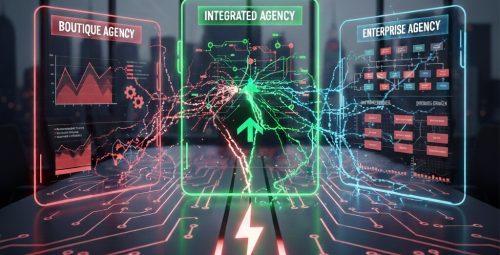
When brands compare ecommerce marketing companies, the strongest partners are those that unify ecommerce SEO, top funnel awareness, paid media, CRO, influencers/UGC, and analytics into a single execution framework.
Brands seeking full-funnel growth can explore ecommerce marketing services from The Brand Amp, built to connect acquisition, conversion, and measurement into one revenue system.
For teams where paid search and Shopping performance are the bottleneck, working with a dedicated ecommerce PPC agency can improve feed health, campaign structure, and conversion efficiency across Google and paid social.
Tools & Resources
- Google Analytics 4: Tracks ecommerce behavior and conversion paths
- Google Ads & Merchant Center: Powers Search, Shopping, Dynamic Product Ads, and PLA campaigns
- Meta Ads Manager: Drives prospecting and catalog-based retargeting (these can also be dynamic based on prior product interactions)
- Google Search Console: Monitors ecommerce SEO performance
- Email and SMS platforms: Automate lifecycle messaging
- Product feed tools: Maintain accurate pricing, availability, and attributes
Common Ecommerce Marketing Mistakes
- Treating ecommerce SEO as blog content only
- Scaling paid media before addressing conversion rate issues
- Ignoring mobile experience
- Over-retargeting and ignoring top-funnel efforts
- Measuring success by only looking ROAS (return on ad spend) instead of revenue and growth
- Running channels in isolation without consistent strategies that work together
Case Study: KT Tape — Ecommerce Growth + Retail Impact
KT Tape partnered with The Brand Amp to strengthen ecommerce performance while also driving nationwide retail foot traffic.
Challenge
Boost digital presence, drive online sales, grow awareness, and increase retail foot traffic while maintaining cost efficiency.
Approach
An integrated strategy across Paid Digital, Ecommerce SEO, CRO, and PR, supported by unified analytics connecting online engagement to ecommerce conversions and retail visits.
Results
- +45.4% higher ROAS
- +53.7% more new users
- +13% increase in website revenue
- 141M paid impressions, delivering 36% more impressions at a 39% lower CPM
- 10.7M retail store visits, a 332% increase
This is what happens when an ecommerce marketing agency aligns SEO, paid media, CRO, and measurement under one system.
Conclusion & Key Takeaways
Ecommerce digital marketing works when it’s executed as a system:
- Capture demand with ecommerce SEO
- Scale with paid media, Shopping ads, and PLAs
- Recover lost revenue with lifecycle messaging and remarketing
- Increase efficiency with conversion rate optimization
- Measure what matters so growth compounds
If you’re evaluating ecommerce marketing services or comparing ecommerce marketing agencies, prioritize partners that connect execution to revenue—not just traffic.
Frequently Asked Questions
1. What are ecommerce marketing services?
They include ecommerce SEO, product feed management and optimization, paid media and Shopping/PLA ads, CRO, dynamic product remarketing, lifecycle messaging, analytics, and reporting.
2. How is ecommerce SEO different from regular SEO?
Ecommerce SEO focuses on category and product pages, technical structure, product data, and conversion intent—not just blog post content.
3. What does an ecommerce PPC agency do?
An ecommerce PPC agency manages Shopping feeds, PLAs, bidding strategies, creative testing, digital marketing strategy, and performance measurement across paid channels.
4. When should I hire an ecommerce agency?
When execution, measurement, conversion rate, competition, or channel coordination limits growth—not demand.
5. Do ecommerce marketing companies work with retail too?
Yes. Strong ecommerce programs often connect online engagement to in-store outcomes.
6. Is conversion rate optimization really necessary?
Yes. CRO increases revenue without increasing ad spend and compounds over time.